- BrainFlow Weekly
- Posts
- Mindfulness & Wellness - Deep sleep, flexible brain
Mindfulness & Wellness - Deep sleep, flexible brain
In partnership with

Your Weekly Calm & Science Update
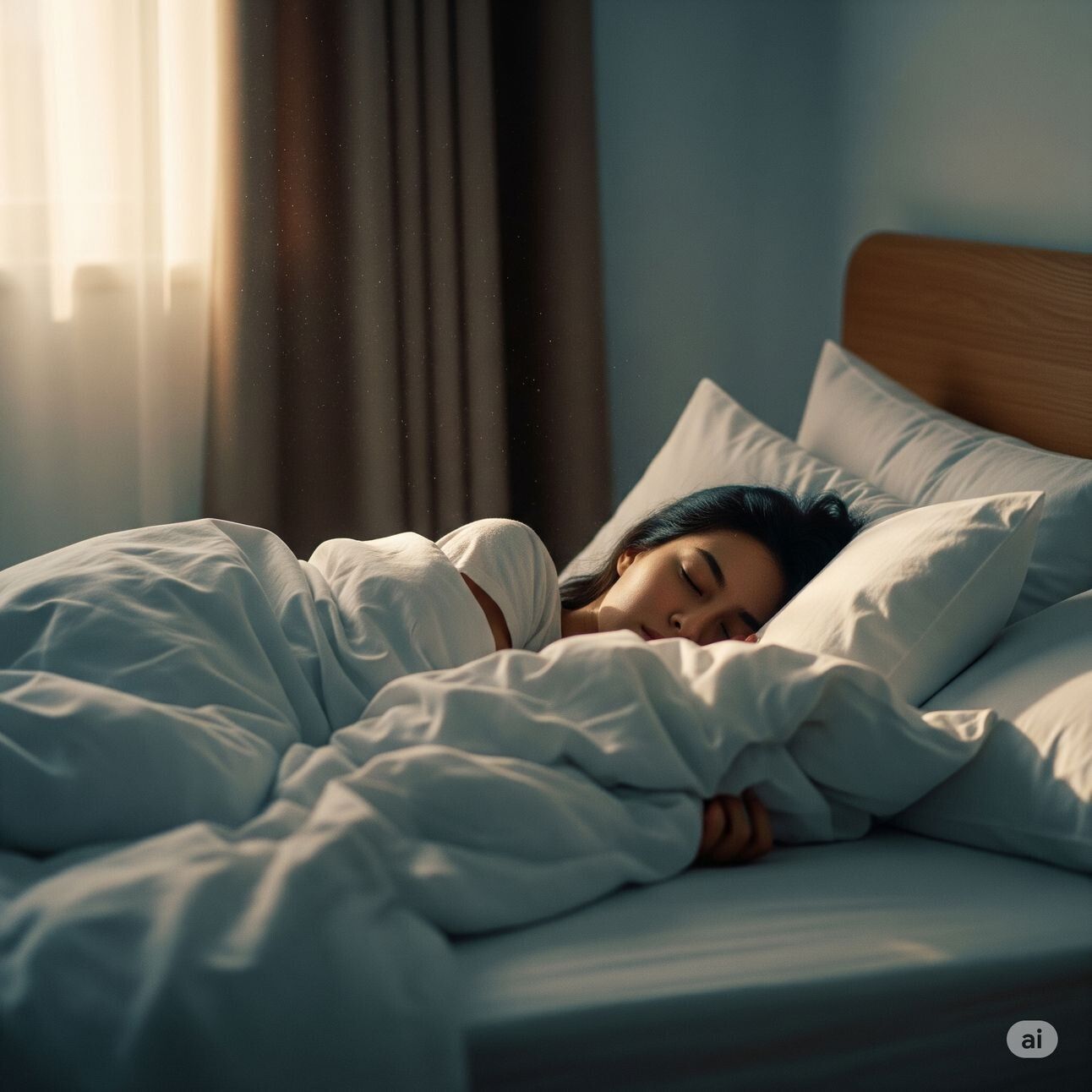
Hi, curious brain! Welcome to your weekly fix of wellness and neuroscience. Today we’ll explore how deep sleep makes your brain more flexible—and give you a simple practice to weave it into your night. Take a deep breath, get comfy… and let the inner journey begin!
Weekly Wellness Challenge
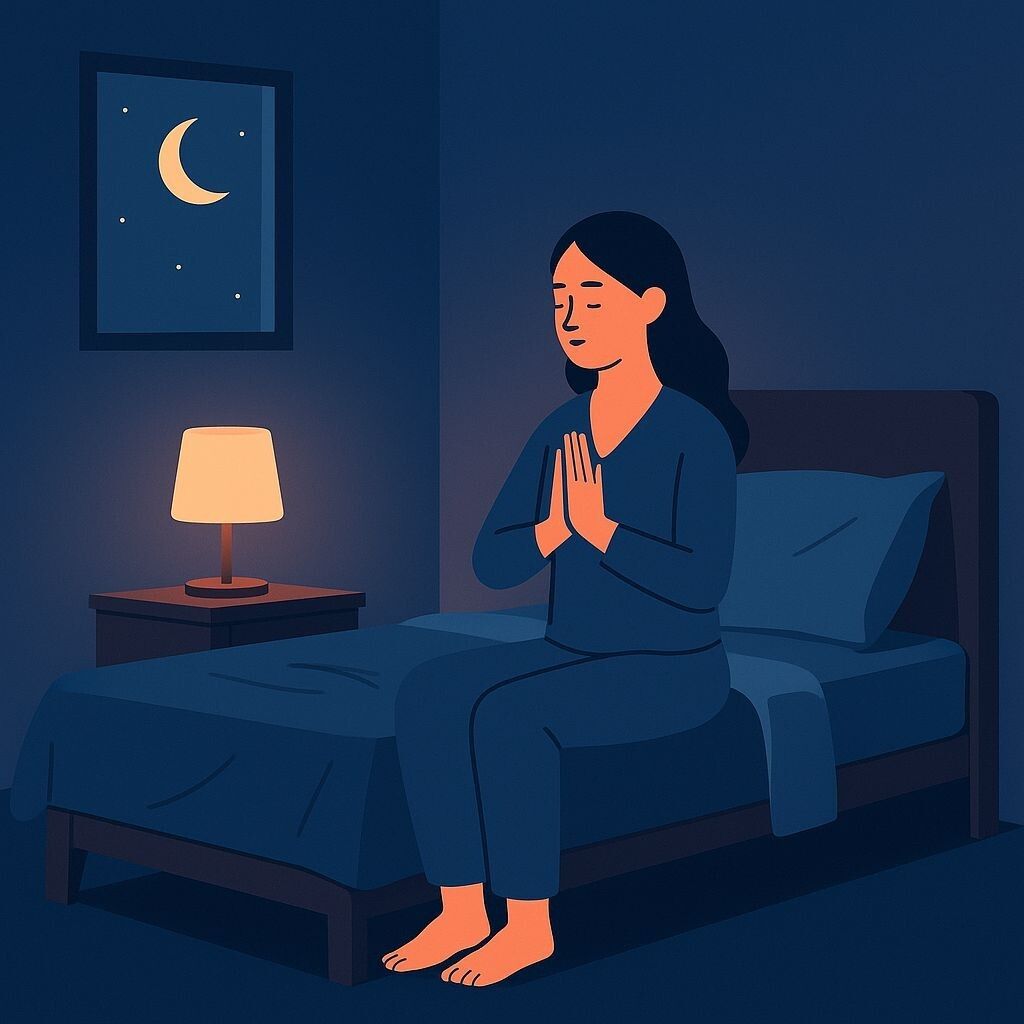
Sleep isn’t “putting the brain on pause”; it’s when memories consolidate, toxins are cleared, and synaptic plasticity is fine-tuned. Yet almost 40 % of Latin-American adults sleep fewer than seven hours. This week I invite you to a 10-minute ritual that turns the night into your neural gym so you wake up with a clearer mind.
Science Spotlight
Over the past two years, the mindfulness–sleep link has crystallized with increasingly solid data—and it all points the same way: practicing mindfulness before bed works.
Meta-analysis: A newly published review of 49 controlled studies found that mindfulness-based interventions—yoga, tai chi, or similar—clinically improve perceived sleep quality and cut insomnia severity (PSQI scores drop almost two points, comparable to low-dose hypnotics).
Micro-data: A 2024 pilot trial with nursing students showed that just nine days of 10-minute guided meditations boosted deep-sleep phase (N3) by 8 % and raised nighttime heart-rate variability—direct markers of physiological recovery.
Long-term view: A 2023 longitudinal study tracking hundreds of participants found that those with higher “trait mindfulness” slept longer in REM and had fewer awakenings, a sign that sustained practice rewires sleep architecture over time.

In short: the nighttime ritual below isn’t a new-age fad—it’s applied neuroscience so your brain can use the night as its own plasticity gym.
Train
Guided Practice (5 min)
Before going to bed, dim the lights and follow these steps:
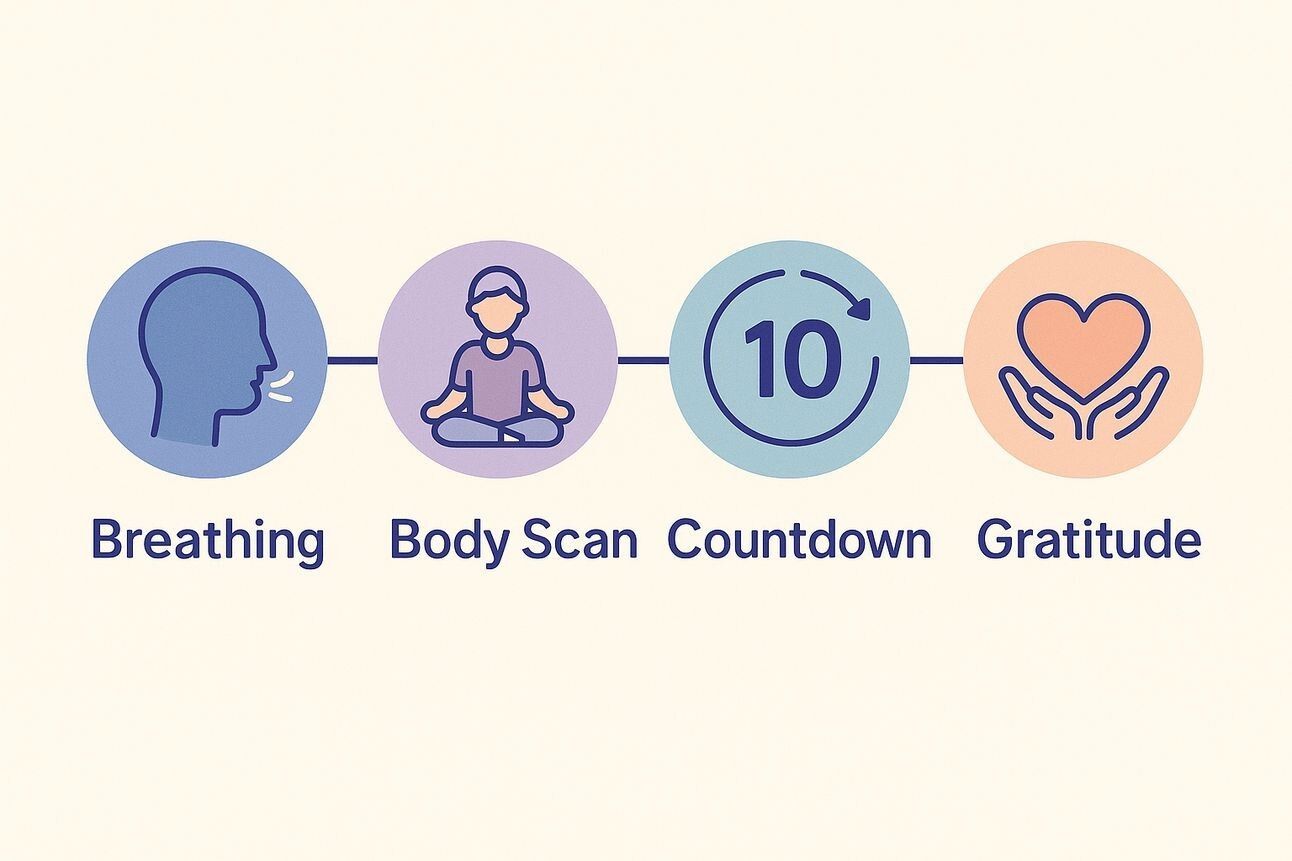
00:00–01:00 min – 6 slow 4-4-6 breaths (inhale 4 s, hold 4 s, exhale 6 s).
01:00–04:00 min – Slow body scan (feet → head).
04:00–08:00 min – Reverse countdown from 30 to 1, in sync with your breath.
08:00–10:00 min – Visualise the most pleasant moment of your day and give thanks for three simple things.
Habit
Micro-habit of the week
No screens in the bedroom for 60 min before sleep. Blue light suppresses melatonin by up to 23 % and delays deep-sleep onset. Start with 30 min if an hour feels impossible.
Bonus
Geek Corner
App: Sleep as Android now detects N3 phase and suggests mindfulness routines if deep sleep drops below 15 %.
Fun fact: A 1 % rise in N3 proportion is linked to a 2 % lower dementia risk in adults > 60.
Share
Wellness for all!

Try the ritual for three nights and tell me: how long did it take you to fall asleep? Reply with “< 5 min,” “5 – 15 min,” or “> 15 min.” Give it a go!
Forward this email to anyone counting sheep and follow us for daily tips:
Thank you for gifting yourself these minutes of presence.
May your week be full of calm, plasticity, and restorative dreams. We’ll meet again next Tuesday with “Binaural Beats & Anxiety: Hype or Help?” In the meantime, keep observing your mind with kindness and let science accompany you.
See you next time!

Join over 4 million Americans who start their day with 1440 – your daily digest for unbiased, fact-centric news. From politics to sports, we cover it all by analyzing over 100 sources. Our concise, 5-minute read lands in your inbox each morning at no cost. Experience news without the noise; let 1440 help you make up your own mind. Sign up now and invite your friends and family to be part of the informed.